
Homeownership is one of life’s biggest milestones. However, the path to buying a first home can feel overwhelming, especially for Muslim families seeking Islamic financial solutions. For those committed to avoiding interest-based lending, halal financing offers a way to pursue homeownership while staying aligned with faith-based principles. With more Shariah-compliant financing options available across the U.S., halal homeownership is becoming more accessible with the right preparation.
What Is Halal Homeownership?
Halal homeownership refers to buying a home without using interest-based loans. Instead of traditional mortgages, Islamic financing relies on ethical structures that comply with Shariah principles.
Some common halal financing models include:
· Murabaha, or cost-plus sale: The financier purchases the home directly from the seller and resells it to the buyer at an agreed-upon fixed price that includes a transparent profit markup. The buyer then pays the amount in fixed installments over time, with no interest.
· Ijarah, or lease-to-own: The buyer leases the property from the financier and makes monthly rent payments while gradually gaining equity and ownership over the course of the term.
· Musharakah, or diminishing partnership: The buyer and the financier enter a joint co-ownership agreement. The buyer occupies the home, pays rent on the portion they do not yet own, and buys out the financier’s shares over time until full ownership is achieved.
These options are available in many parts of the U.S. through halal home financing providers.
How to Financially Prepare for Halal Homeownership
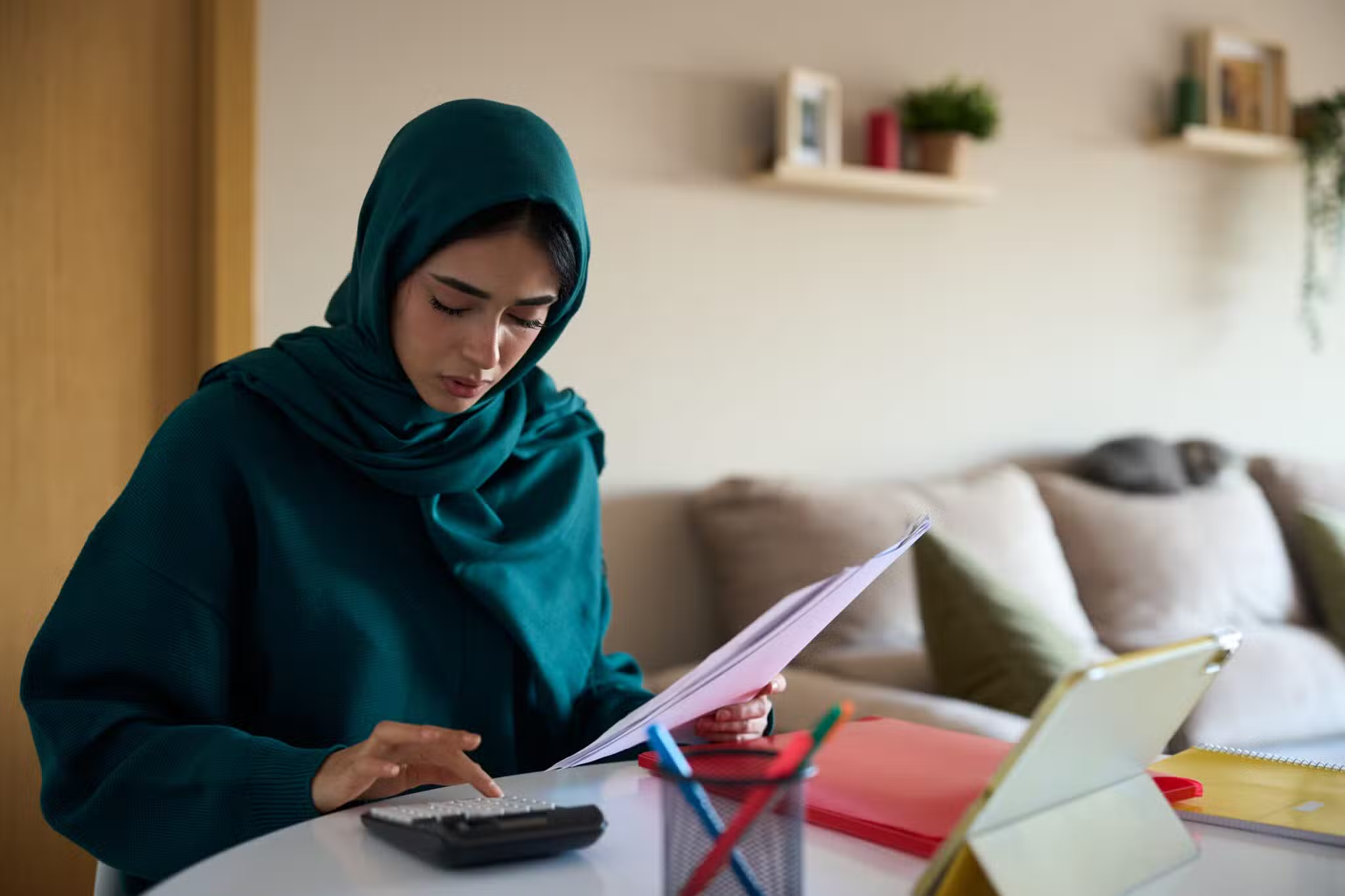
Create a Realistic Budget
For halal homeownership, budgeting is the first and most important step. It helps determine what a buyer can comfortably afford before starting the home search.
A good budget should include both the upfront costs of buying a home and ongoing monthly expenses. These may include maintenance, insurance, utilities, and property taxes.
1. Start with income and expenses: List all monthly income and track regular spending. This helps identify where money is going and where adjustments may be needed.
2. Include all home-related costs: A budget should account for one-time expenses, such as a down payment, and recurring costs, such as monthly payments, utilities, and maintenance.
3. Use simple tools to stay organized: Budgeting apps or spreadsheets can make it easier to track spending and set financial goals over time.
Buyers should also avoid financing with debt or credit that includes interest. These steps can help create a budget that supports faith-aligned financial decisions.
Save for a Down Payment
After setting a budget, the next step toward halal homeownership is building savings for a down payment. While some providers may offer low- or no-down-payment options, many financing plans require a significant amount upfront, depending on the provider and the buyer’s qualifications. In many cases, a larger down payment may also lead to more favorable terms.
· Build savings consistently: Open a dedicated savings account to separate homeownership funds from everyday spending.
· Set up automatic deposits: Automatic transfers from each paycheck can help build savings steadily with less manual tracking.
· Increase savings when possible: Some buyers may supplement their income through freelance work or ethical side income opportunities. Even small contributions can grow over time when saved consistently.
With proper planning, halal homeownership can become more manageable across different budgets and locations throughout the U.S.
Explore Halal Financing Options
Choosing a financing provider is an important step, and careful research is essential. Not all providers that advertise Islamic home financing use the same Shariah-compliant structures.
1. Know what to look for: Reliable halal financing typically uses structures such as Murabaha, Ijarah, or Musharakah. Understanding these models can help buyers compare options more confidently.
2. Review all terms carefully: Before signing any agreement, buyers should read the contract in full. Clear terms, transparency, and no hidden conditions are important indicators of a responsible provider.
3. Seek guidance when needed: Some buyers may also consult knowledgeable religious advisors or local mosque leaders when reviewing financing options.
Halal homeownership is an important milestone, and buyers should feel confident in the financing provider they choose. Comparing providers throughout the U.S. can help buyers find terms that fit their needs.
Tips for Successful Halal Homeownership
After preparing financially for homeownership, the next step is understanding what long-term success looks like. Buying a home is not only about the purchase itself, but also about maintaining stability after moving in.
To support long-term success after purchasing a home:
· Build an emergency fund: Once a home is purchased, it becomes important to prepare for unexpected expenses. An emergency fund can help cover repairs, maintenance, or changes in income. This added financial cushion can provide more stability over time.
· Monitor spending regularly: Tracking monthly expenses helps homeowners stay aligned with their budget. Reviewing spending habits on a regular basis can also highlight areas where adjustments may be needed.
· Continue learning about Islamic finance: Staying informed about halal homeownership and Islamic financial principles can help homeowners remain confident in their long-term financial decisions. It also supports better awareness of how different financing structures work over time.
Owning a home in the U.S. is a meaningful achievement. Homebuyers should prepare financially and spiritually for a homeownership experience that supports long-term stability.





Write a comment ...